
The modern business landscape has undergone a dramatic transformation due to the growth of digital technologies and online communication channels. Today, consumers rely heavily on search engines, websites, and social media platforms when making purchasing decisions. As a result, businesses need strong digital branding and effective search engine optimization strategies to stand out in competitive markets. Digital branding creates a recognizable identity that builds trust and loyalty, while SEO helps businesses improve visibility in search engine results and attract qualified traffic.
Many organizations struggle to balance branding and SEO efforts, often focusing on one while neglecting the other. However, combining these two disciplines creates a powerful marketing approach that strengthens online authority and drives sustainable growth. Platforms like webinbound com frequently discuss the importance of integrating branding and SEO to maximize digital success. Understanding how these strategies work together can help businesses improve customer engagement, increase conversions, and establish long-term credibility in the digital world.
Understanding Digital Branding
Digital branding refers to the process of creating and maintaining a unique identity across online platforms. It includes visual elements such as logos, color schemes, website design, and content style. More importantly, digital branding reflects a company’s values, mission, and personality. A strong digital brand helps customers recognize and remember a business while differentiating it from competitors.
Successful digital branding requires consistency across all digital channels. Whether customers visit a website, interact with social media posts, or receive email newsletters, they should experience a unified brand message. Businesses that maintain consistent branding often enjoy stronger customer loyalty and trust. According to insights commonly shared on webinbound com, consistency helps create familiarity, making customers more likely to engage with a brand repeatedly.
Digital branding is not limited to aesthetics. It also encompasses customer experience, communication style, and reputation management. Businesses that focus on delivering positive experiences strengthen their brand image and encourage long-term customer relationships.
The Importance of SEO in Modern Marketing
Search Engine Optimization is the practice of improving a website’s visibility in search engine results. SEO helps businesses attract organic traffic by optimizing content, technical performance, and website structure. When potential customers search for products or services online, SEO ensures that relevant websites appear prominently in search results.
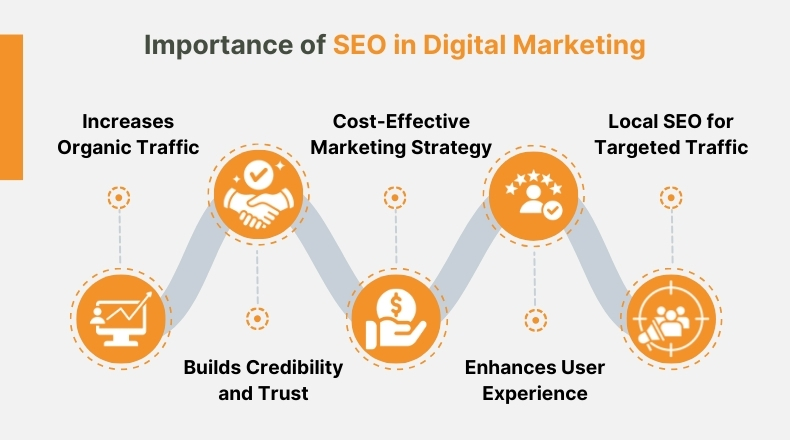
The significance of SEO continues to grow as online competition increases. Businesses that rank higher in search results often receive more clicks, traffic, and conversions. Effective SEO strategies include keyword research, content optimization, link building, and technical improvements that enhance website usability.
Many experts featured on webinbound com emphasize that SEO is not merely about rankings. Instead, it focuses on providing valuable content and an excellent user experience. Search engines increasingly prioritize websites that deliver relevant information and satisfy user intent. Therefore, businesses must align SEO efforts with customer needs and expectations to achieve lasting results.
How Digital Branding and SEO Work Together
Digital branding and SEO are often viewed as separate marketing disciplines, but they are deeply interconnected. SEO helps users discover a brand, while branding influences how users perceive and engage with that brand. When combined effectively, these strategies create a powerful online presence that supports business growth.

A well-branded website with high-quality content attracts more visitors and encourages them to stay longer. This positive user behavior can improve search engine rankings. Likewise, strong SEO increases brand visibility, exposing more people to the company’s identity and messaging.
Businesses highlighted by webinbound com frequently achieve success by integrating branding and SEO into a unified strategy. Consistent messaging, optimized content, and a positive user experience help create stronger connections with audiences while supporting search engine performance. This integrated approach leads to increased trust, engagement, and conversion opportunities.
Key Elements of Effective Digital Branding
Several components contribute to successful digital branding. Each element plays a crucial role in shaping audience perception and strengthening brand recognition.
Essential Branding Components
- Clear brand mission and values
- Professional logo and visual identity
- Consistent tone of voice
- High-quality website design
- Active social media presence
- Strong customer engagement
- Reputation management strategies
These components work together to create a memorable and trustworthy brand image. Businesses that invest in branding often experience higher customer retention and stronger market positioning.
Core SEO Strategies for Business Growth
SEO involves multiple techniques designed to improve visibility and user experience. Businesses must focus on both on-page and off-page optimization to achieve the best results.
Important SEO Practices
- Comprehensive keyword research
- High-quality content creation
- Mobile-friendly website design
- Fast page loading speeds
- Internal linking optimization
- Technical SEO improvements
- Backlink development
- User experience enhancements
Experts at webinbound com often recommend prioritizing user-focused SEO strategies rather than attempting to manipulate search engine algorithms. Sustainable optimization practices deliver more reliable and long-term results.
Comparison Between Digital Branding and SEO
| Aspect | Digital Branding | SEO |
|---|---|---|
| Primary Goal | Build brand identity | Increase search visibility |
| Focus Area | Customer perception | Search engine performance |
| Key Metrics | Brand awareness, engagement | Rankings, traffic |
| Long-Term Impact | Customer loyalty | Organic growth |
| Content Role | Supports brand messaging | Drives search visibility |
| Success Indicator | Brand recognition | Search engine rankings |
This comparison highlights how branding and SEO complement each other. While their objectives differ, both contribute significantly to online success.
Benefits of Combining Branding and SEO
Businesses that integrate digital branding and SEO gain several competitive advantages. These benefits extend beyond increased traffic and include stronger customer relationships and market authority.
A recognizable brand attracts more clicks from search results because users trust familiar names. At the same time, optimized content helps search engines understand and rank a website more effectively. This synergy creates a positive cycle where increased visibility leads to greater brand awareness, which in turn supports higher engagement and conversions.
Many case studies discussed on webinbound com demonstrate that businesses combining branding and SEO achieve more sustainable growth than those focusing on only one strategy. By aligning content, messaging, and optimization efforts, companies can maximize their marketing investments and improve overall performance.
Emerging Trends in Digital Branding and SEO
The digital marketing landscape continues to evolve rapidly. Businesses must adapt to changing technologies and consumer expectations to remain competitive.
Artificial intelligence is transforming both branding and SEO by enabling personalized experiences and advanced content optimization. Voice search is becoming increasingly important as consumers use smart devices to find information. Video content continues to gain popularity and offers opportunities to strengthen branding while improving search visibility.
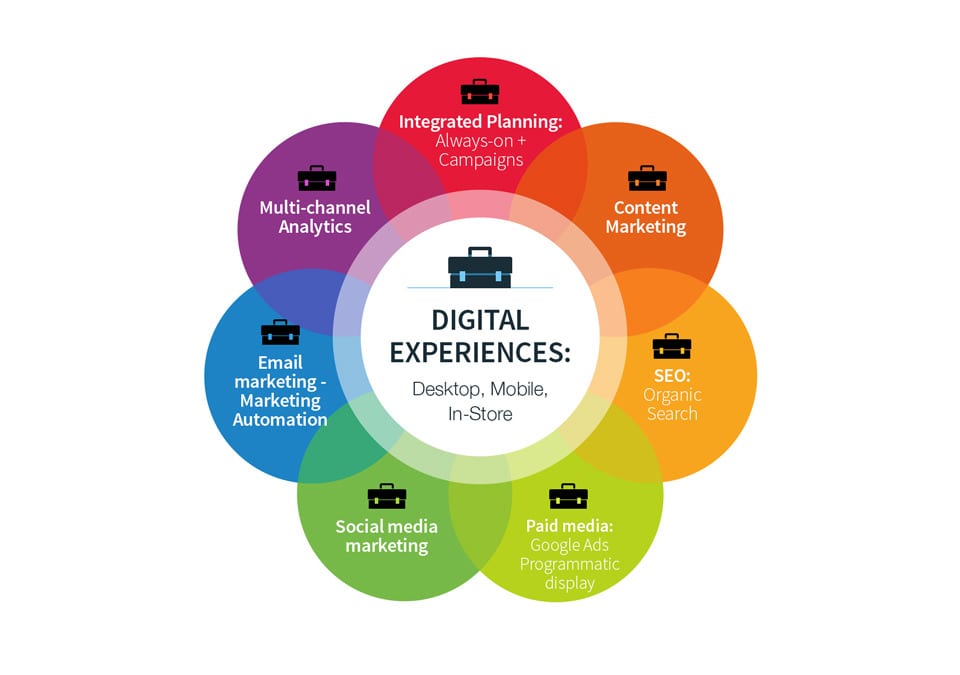
Another significant trend highlighted on webinbound com is the growing importance of user experience. Search engines reward websites that provide fast loading times, intuitive navigation, and valuable content. Businesses that prioritize customer satisfaction are more likely to succeed in both branding and SEO efforts.
As technology advances, organizations must remain flexible and continuously refine their strategies to meet evolving market demands.
Common Challenges and Solutions
Many businesses encounter obstacles when implementing branding and SEO strategies. Limited resources, inconsistent messaging, and rapidly changing algorithms can create difficulties.
One common challenge is maintaining brand consistency across multiple digital channels. Organizations can address this issue by developing clear brand guidelines and ensuring all team members follow them. Another challenge involves producing high-quality content regularly. Establishing a content calendar helps streamline content creation and maintain consistency.
SEO-related challenges often include technical issues and intense competition. Regular website audits, keyword research, and performance monitoring can help identify and resolve problems. According to recommendations frequently shared on webinbound com, businesses should focus on continuous improvement rather than expecting immediate results.
Measuring Success in Branding and SEO
Tracking performance is essential for evaluating the effectiveness of digital marketing efforts. Businesses should monitor key metrics related to both branding and SEO.
Important branding metrics include:
- Brand awareness
- Social media engagement
- Customer sentiment
- Audience growth
- Customer retention rates
Important SEO metrics include:
- Organic traffic
- Keyword rankings
- Click-through rates
- Bounce rates
- Conversion rates
By analyzing these metrics regularly, organizations can identify strengths, weaknesses, and opportunities for improvement. Data-driven decision-making enables businesses to refine strategies and achieve better outcomes over time.
Conclusion
Digital branding and SEO are essential components of modern online marketing. While branding helps establish trust, recognition, and customer loyalty, SEO ensures that businesses remain visible and accessible to potential customers. Together, they create a comprehensive strategy that supports sustainable growth and long-term success.

